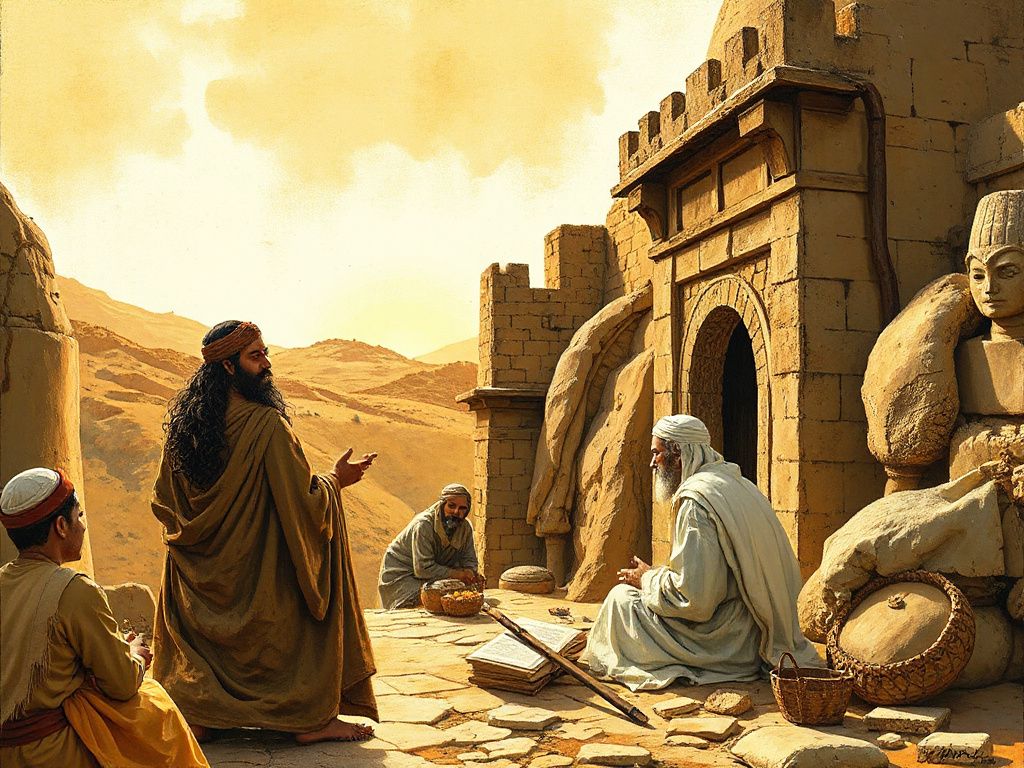
《西拉书》第4章:关爱贫穷者与智慧的赏报
《西拉书》第4章教导读者不可迟延地救济穷人,行事公正,并追求智慧;智慧起初会管教人,但随后使那些坚守她的人喜乐。
德训篇
选择章节
点击章节后,内容会在右侧「当前章节」标签页展开。返回本页可继续选择其他章节。
德训篇
第4章
- 1.对穷人和受压迫的人的责任 我的儿子,不要剥夺穷人生的权利,不要让需要帮助的人徒劳等待。Duties toward the Poor and the Oppressed My son, deprive not the poor of his living, and do not keep needy eyes waiting.
- 2.不要使饥饿的人忧闷,也不要使穷乏的人发怒。Do not grieve the one who is hungry, nor anger a man in want.
- 3.不要加剧愤怒心灵的烦恼,也不要延迟对乞丐的施舍。Do not add to the troubles of an angry mind, nor delay your gift to a beggar.
- 4.不要拒绝受苦的求助者,也不要偏头不顾穷人。Do not reject an afflicted suppliant, nor turn your face away from the poor.
- 5.不要偏眼看待穷人,也不要给人机会来咒骂你;Do not avert your eye from the needy, nor give a man occasion to curse you;
- 6.因为他在灵魂苦恼中若是向你祷告咒诅,造他的主必听他的祷告。for if in bitterness of soul he calls down a curse upon you, his Creator will hear his prayer.
- 7.在会众中使自己受爱戴,对有地位的人要谦卑自己。Make yourself beloved in the congregation; bow your head low to a great man.
- 8.向穷人倾听,平静温和地回答他。Incline your ear to the poor, and answer him peaceably and gently.
- 9.要从作恶的人手中解救受冤屈的人,不要在审判案件时胆怯。Deliver him who is wronged from the hand of the wrongdoer; and do not be fainthearted in judging a case.
- 10.做孤儿的父亲,做他们母亲的配偶,你将成为至高者的儿子,他将比你的母亲更爱你。Be like a father to orphans, and instead of a husband to their mother; you will then be like a son of the Most High, and he will love you more than does your mother.
- 11.智慧的赏赐 智慧使她的儿女们尊贵,并帮助寻求她的人。The Rewards of Wisdom Wisdom exalts her sons and gives help to those who seek her.
- 12.爱她的人便是爱生命,清早寻求她的人必然欢喜充满。Whoever loves her loves life, and those who seek her early will be filled with joy.
- 13.凡是扶持她的,必得荣耀,主也必赐福她所进入的地方。Whoever holds her fast will obtain glory, and the Lord will bless the place she enters.
- 14.侍奉她的,必侍奉至圣者,主爱那些爱她的人。Those who serve her will minister to the Holy One; the Lord loves those who love her.
- 15.听从她命令的人必审判万国,谁肯留心听从她,谁就必安居无虑。He who obeys her will judge the nations, and whoever gives heed to her will dwell secure.
- 16.如果他对她有信仰,他就会获得她;他的后代将永远拥有她。If he has faith in her he will obtain her; and his descendants will remain in possession of her.
- 17.起初她会让他走在曲折的道路上,她会给他带来恐惧和怯懦,并且会用她的管教折磨他,直到她信任他,并用她的律例考验他。For at first she will walk with him on tortuous paths, she will bring fear and cowardice upon him, and will torment him by her discipline until she trusts him, and she will test him with her ordinances.
- 18.然后她就会直接回到他身边,给他带来喜悦,并向他揭示她的秘密。Then she will come straight back to him and gladden him, and will reveal her secrets to him.
- 19.他若偏离正道,她必离弃他,将他交于祸患。If he goes astray she will forsake him, and hand him over to his ruin.
- 20.观察适当的时候,避免邪恶;不要使自己蒙羞。Observe the right time, and beware of evil; and do not bring shame on yourself.
- 21.因为有带来罪恶的羞耻,也有带来荣耀和恩惠的羞耻。For there is a shame which brings sin, and there is a shame which is glory and favor.
- 22.不要偏袒以至于自害,也不要阿谀以至于自毁。Do not show partiality, to your own harm, or deference, to your downfall.
- 23.不要在关键时刻保持沉默,也不要隐藏你的智慧。Do not refrain from speaking at the crucial time, and do not hide your wisdom.
- 24.智慧藉着言语而显现,教育藉着舌头的话语而彰显。For wisdom is known through speech, and education through the words of the tongue.
- 25.永不违背真理,但要谦虚以知自己的无知。Never speak against the truth, but be mindful of your ignorance.
- 26.不要以承认自己的罪过为耻,并且不要试图阻止河流的流动。Do not be ashamed to confess your sins, and do not try to stop the current of a river.
- 27.不要让自己受愚昧人的摆布,也不要对有权势的人偏袒。Do not subject yourself to a foolish fellow, nor show partiality to a ruler.
- 28.即使至死也要为真理奋斗,主上帝必为你争战。Strive even to death for the truth and the Lord God will fight for you.
- 29.不要在言语上鲁莽草率,也不要在行为上懒惰疏忽。Do not be reckless in your speech, or sluggish and remiss in your deeds.
- 30.在家里不要像狮子一样,在仆人面前不要挑剔。Do not be like a lion in your home, nor be a faultfinder with your servants.
- 31.不要伸出手来接受,却在还的时候缩回手去。Let not your hand be extended to receive, but withdrawn when it is time to repay.
这段经文的意思
开篇部分将关爱穷人定位为不可推卸的义务,而非可自由裁量的善行。穷人的目光、他的饥渴、以及他的咒祷,都被直接视为对读者的恳求:拒绝施援会触怒受苦者,经文警告说,穷人的创造主必垂听那祷告。因此,照顾有需要的人不仅是一种社会责任,也是一种神学责任,与对神的尊崇以及对群体的敬重紧密相连(“要在会众中使人喜爱你,向大人物低头”,《西拉书》4:7)。
中段将智慧拟人化为塑造门徒的教师。她起初与寻求者同行于“曲折之路”,施予敬畏与管教(《西拉书》4:17),但那些坚守的人则应许得着荣耀、祝福与安稳(《西拉书》4:13-16)。智慧也被呈现为言语的内容:她借着舌头而为人所知(《西拉书》4:24),对智慧的追求与说诚实话、认罪、以及适时开口的准备相连(《西拉书》4:20-28)。
结尾的格言转向社交行为与自律。读者被警告不可偏袒他人、不可鲁莽发言、不可在家中专横跋扈,也不可只知领受而不肯回报(《西拉书》4:22、29-31)。这些简短箴言契合本章更宏大的关切——声誉:人如何对待穷人、权柄、仆役,以及自己的舌头,正塑造出智慧所信任的那一种人。
背景
《西拉书》第4章属于该书中智慧集的一部分,该书在希腊传统中称为《传道经》,在希伯来传统中称为《便西拉》。此处的编辑性说明仅将其标记为补录内容,且此处未提供相关章节正文,故本页面仅就本章自身加以讨论。本章内部可分为三部分:对穷人的对待(《西拉书》4:1-10)、智慧的形像与她的管教(《西拉书》第4:11-19),以及有关言语、判断与家庭行为的简短箴言(《西拉书》4:20-31)。
本章延续了《西拉书》第1至3章中已开启的主题,尤其是敬畏主与整饬人生之间的关联。经文如“他必爱你胜过你的母亲”(《西拉书》4:10)以及“主爱那些爱她的”(《西拉书》4:14)所示,善待穷人与忠于智慧皆被框定为对神的回应,而非各自独立的德行。
常见问题
《西拉书》第4章的两个主要主题是什么?
本章有两个主要主题:对穷人与受欺压者的责任(《西拉书》4:1-10),以及追求智慧所带来赏报与管教(《西拉书》4:11-19),其后附有关于行为的简短箴言(《西拉书》4:20-31)。
为何经文警告不可让穷人咒诅你?
本章警告说,若受苦者在心灵愁苦中发出咒诅,他的创造主必垂听他的祷告(《西拉书》4:6)。因此,拒绝施援被呈现为神所看重之事,而非仅仅是私人层面的社交失当。
《西拉书》第4章中的智慧是否只带来即时的赏报?
并非如此。《西拉书》4:17-19描述智慧起初与寻求者同行于曲折之路,带来恐惧、怯懦与管教,之后才径直返回,使他喜乐并向他启示奥秘。本章将顺服智慧呈现为:先经考验,后得赏报。